The tote bag that earns its place
every single grocery run.
Real-world reviews and honest guides — from $5 cotton classics to $280 insulated splurges — so you find the one worth keeping for years.
Browse the guidesOur Top Picks
Standout recommendations from our guides. Prices change; we may earn a commission on purchases.

Guides that carry as much as your bags do
We dig through owner reviews, stress reports, and real shopper feedback so you can skip the guesswork and grab the right tote with confidence.
Canvas & Everyday Totes
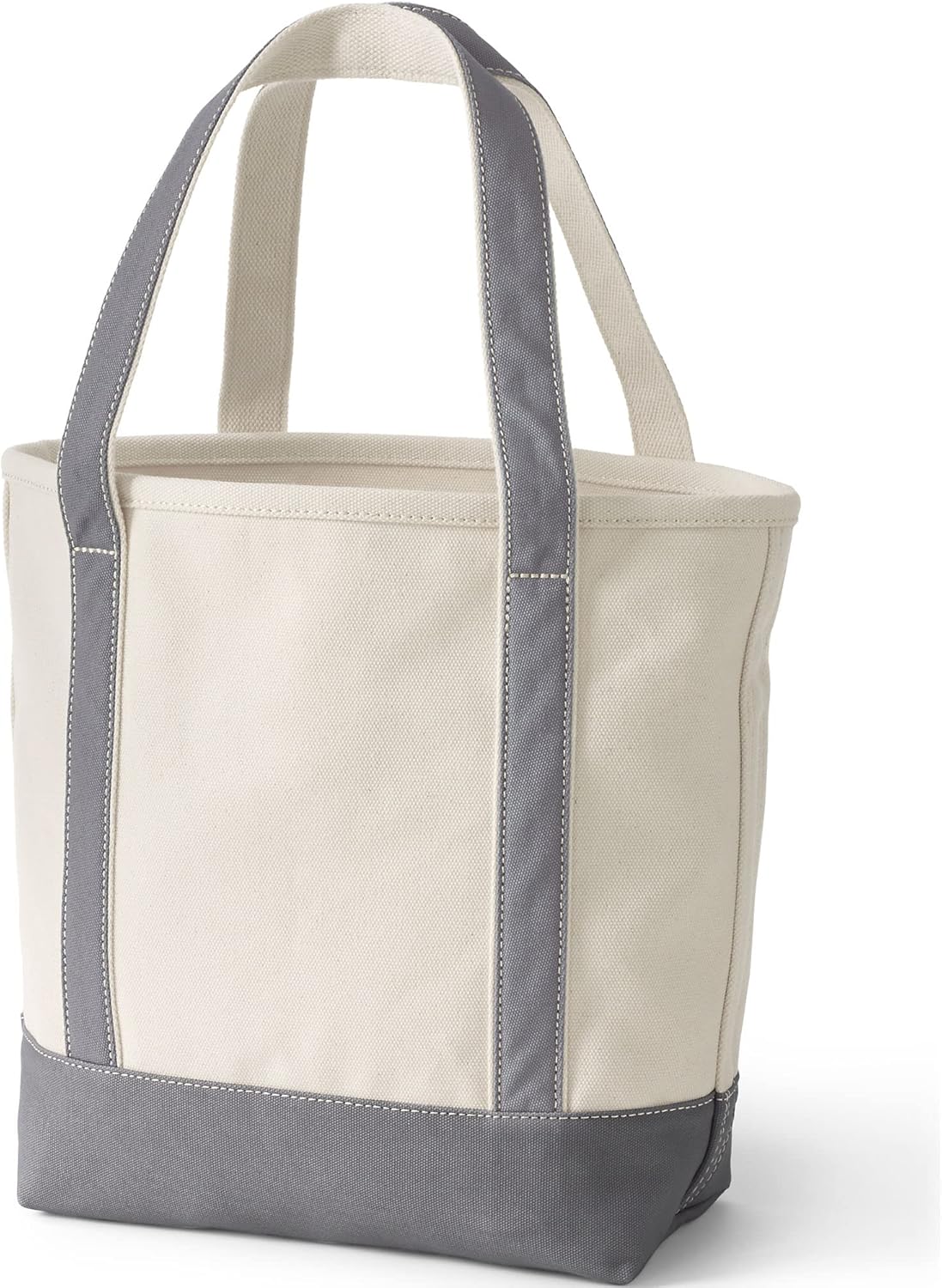
From breezy $5 cotton bags to heavyweights from Baggu and L.L.Bean that owners swear by after years of daily hauls, we cover what holds up and what gives out at the strap. Whether you want something you'll grab without thinking or a market bag that doubles as a weekend carry, we'll point you in the right direction.
Browse the guides →
Insulated & Cooler Totes
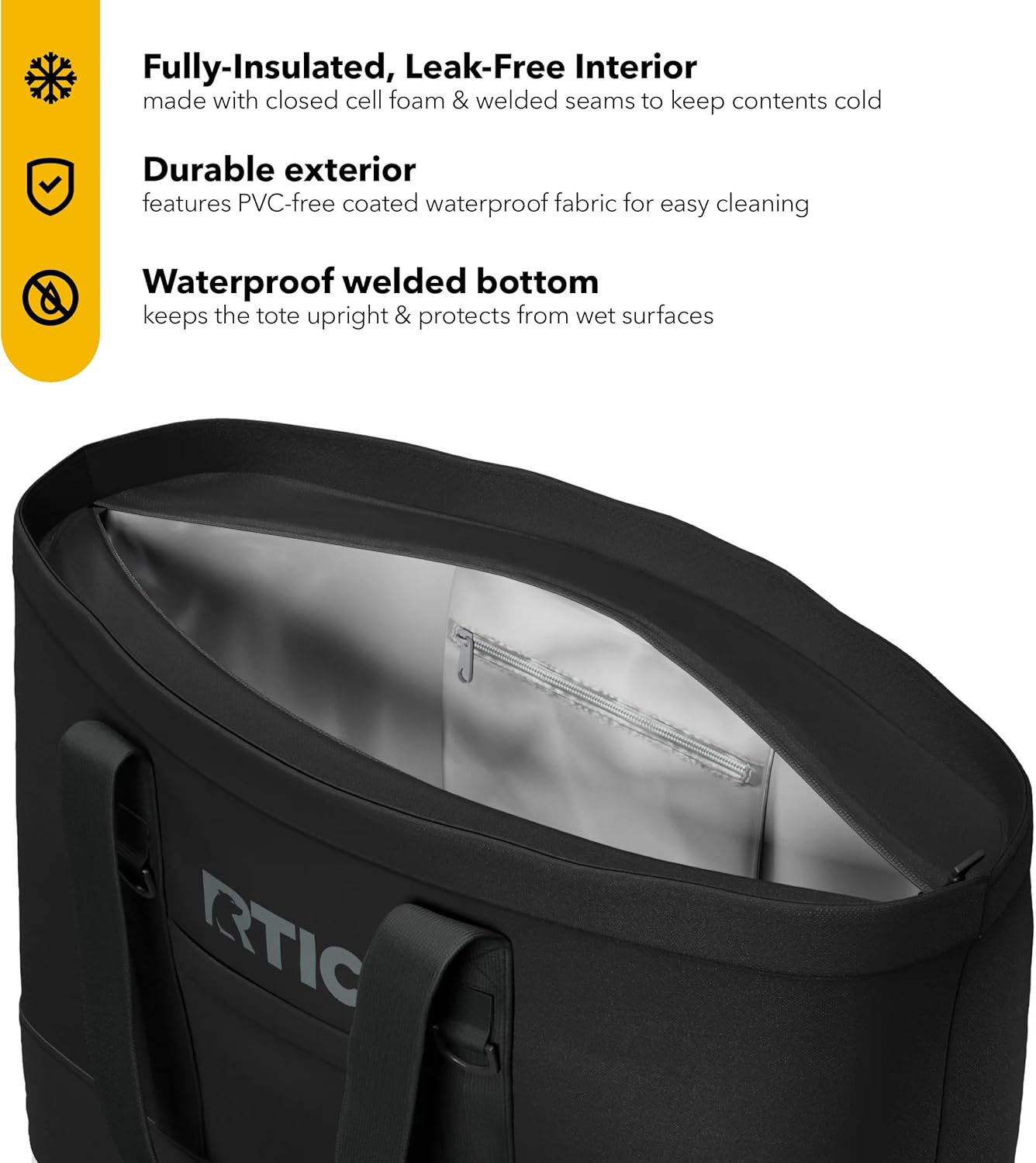
Keeping cold things cold on the drive home shouldn't cost a gamble — we read deep into what YETI and Hydro Flask owners actually report after months of use, so you know which bags are worth the investment and which just look the part. If ice retention and a bag you're proud to carry to a cookout both matter, this is your section.
Browse the guides →
Eco & Reusable Systems
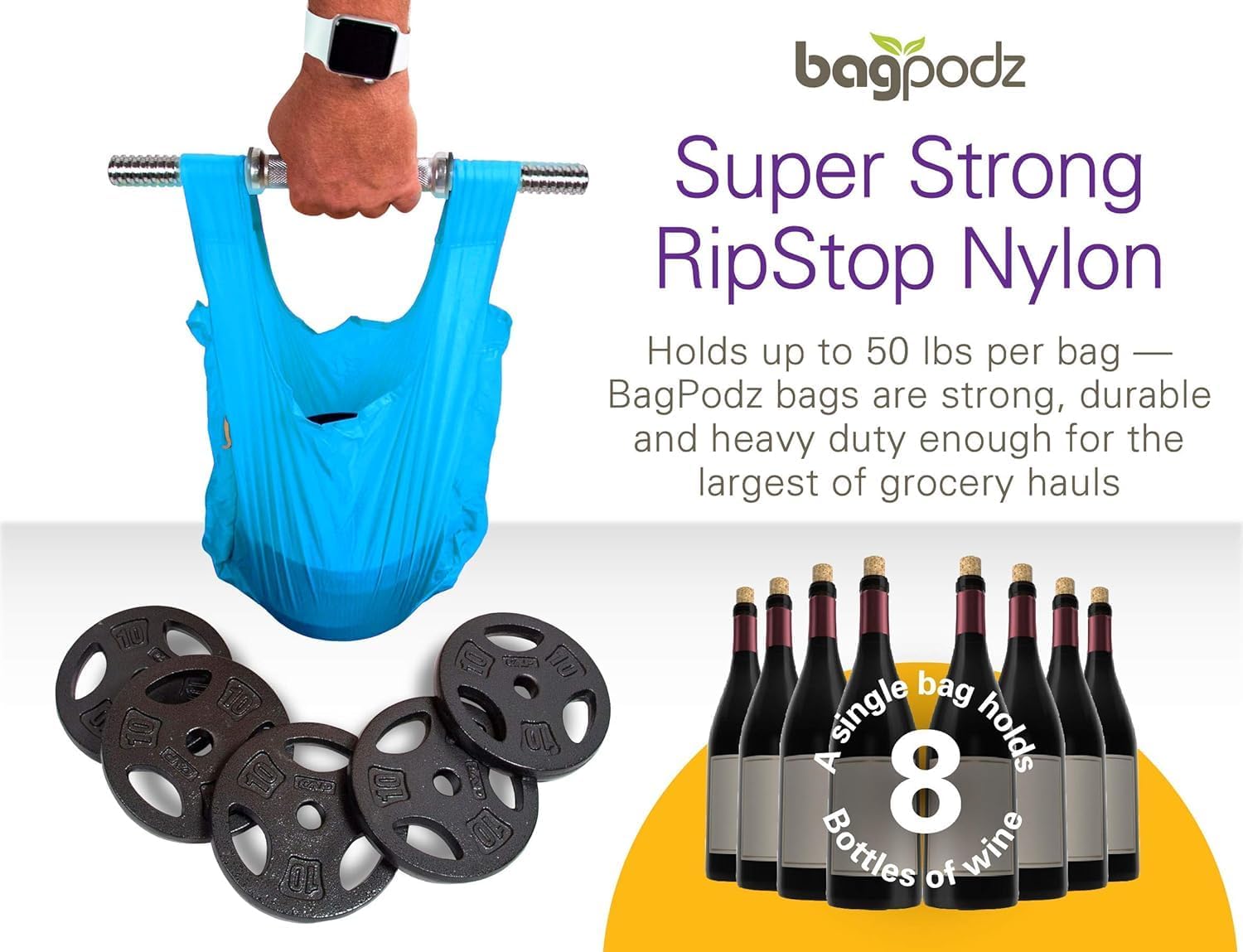
Building a bag setup that handles everything from bulk bins to farmers-market hauls means more than buying one reusable tote — it means mixing mesh produce bags, foldable backups, and insulated liners that all live together in your trunk. We help eco-conscious households put together a full system that's actually easy to stick with.
Browse the guides →